Hedge Trimming in Twickenham

Hedge trimming in Twickenham is about keeping boundary planting neat, healthy and in proportion with the rest of the garden. Our work focuses on shaping established hedges, reducing overgrowth, and maintaining clean lines that suit the property rather than forcing every hedge into the same finish. If you need regular maintenance or a one-off tidy-up, we provide practical hedge care that keeps the plantings usable, orderly and easier to manage through the seasons.
We work on a wide range of hedge types, from formal front-garden boundaries to thicker mixed-growth screens that need careful reduction. The aim is not only a smarter appearance but also sensible maintenance that supports future growth. Our services overview gives a broad look at the garden work we offer, while this page explains the hedge trimming service in more detail for homes and businesses in the local area.
For a clearer idea of the work needed, the length of the hedge, the current shape, access and the level of reduction all matter. Our pricing and quotes page can help you understand how enquiries are handled before you request a quotation. If you are ready to discuss your hedge, send the details that matter and we can take it from there.
Routine hedge cutting for tidy boundaries
Regular hedge cutting keeps growth controlled before it becomes difficult to manage. For many gardens, a lighter and more frequent trim is better than waiting until the hedge has spread beyond the intended line. This approach helps preserve shape, reduces the need for heavier corrective work, and keeps paths, driveways and front boundaries looking orderly. It also makes it easier to maintain a consistent height where privacy, light and structure all need to be balanced.
The finish can be adapted to the hedge itself. Some hedges need crisp, formal edges; others benefit from a softer profile that still looks deliberate. We pay attention to the existing structure, because forcing a hedge too sharply can expose gaps or leave the plant looking uneven. A careful trim is often the best way to protect the natural density of the hedge while still restoring neatness and shape.
In many cases, the key decisions are about timing and degree of reduction rather than simply cutting everything back. If the hedge has become too high, too wide or too patchy, a planned reduction may be more suitable than a simple clip. You can ask for a quotation once you know whether you need ongoing maintenance or a more substantial reshape, and we can discuss the most suitable option for the hedge in front of you.
Reducing overgrown hedges with controlled shaping

Overgrown hedges often need more than a quick tidy. When growth has pushed beyond the intended boundary, the work may involve controlled reduction, careful balancing of the sides, and attention to the top so the hedge is not left uneven or top-heavy. This is especially important where the hedge contributes to privacy or creates a visual edge along the front or side of a property. The result should look deliberate, not simply cut down.
Some hedges respond better to gradual reduction, especially when they have not been trimmed regularly. In those cases, the sensible approach is to restore manageability without stripping the hedge too hard in one visit. That can mean working in stages, respecting the health of the plant, and leaving enough growth to recover well. Our hedge trimming page provides a focused look at the main service, while this page aims to help you decide whether your hedge needs maintenance trimming or a larger reduction.
Important practical detail: the condition of the hedge changes the work required. A dense, healthy hedge may take a clean shaping cut, while a sparse or neglected hedge may need a more cautious finish. If you are comparing options, it helps to look at height, thickness, length and access together. That gives a more realistic picture of the task and helps produce a quotation that reflects the actual work rather than a rough guess.
Shaping formal hedges and softer garden screens
Hedges do not all serve the same purpose, so the trimming approach should not be the same either. Formal hedges usually need straighter, sharper lines and more consistency from one section to the next. Garden screens, by contrast, may need to remain full and natural-looking while still being kept within bounds. We shape hedges with those uses in mind, so the finish suits the role the planting plays in the garden.
Where a hedge acts as a boundary, the main priorities may be height, width and clean side lines. Where it frames a sitting area or divides parts of the garden, appearance may matter just as much as containment. A trim that leaves the hedge looking balanced from several angles is usually more useful than one that only looks neat from the front. We keep the work practical and measured, rather than overcutting for the sake of a sharp edge.
For properties with mixed planting, it can help to combine trimming with broader garden care. Our garden maintenance page covers wider upkeep, while this service remains focused on the hedge itself. If you want an orderly result without unnecessary alteration to the shape of the planting, trimming can be a good way to keep everything under control while preserving the garden’s character.
What influences the trimming approach
Every hedge is different, and the work needed depends on several practical factors. Species, height, thickness, recent growth and access all influence the approach. A hedge beside a narrow path needs different handling from one with open access on both sides. Similarly, a young hedge may need a lighter, more formative cut, while a mature hedge may require a steadier reduction to keep the structure even and avoid bare patches.
It also matters whether the hedge has been trimmed regularly. Well-kept hedges usually need less corrective work, so the task is often straightforward. Neglected hedges can be more demanding, especially if the top has risen, the sides have flared or the base has thinned. In such cases, a sensible plan helps avoid rushing the job. Our garden clearance page is useful if the hedge work is part of a broader tidy-up and there is also unwanted green waste or overgrowth elsewhere in the garden.
When preparing an enquiry, give a clear description of the hedge and the result you want. Notes about approximate height, length, access and whether both sides are available to work on can be helpful. That keeps the quotation process focused on the real task. If you already know which parts of the hedge need attention first, mention them in plain language and we can assess the job accordingly.
Access, waste and site preparation

Access affects hedge trimming more than many customers expect. If the hedge is behind a narrow passage, close to fencing, or above planting that needs to be protected, the work may require more care and time. Clear access also matters for gathering clippings and leaving the area tidy once the cutting is complete. Where there are gates, side returns or awkward corners, the route into the work area can influence the method used.
Waste from hedge trimming is often more substantial than it first appears, especially after a reduction rather than a light cut. Clippings need to be handled sensibly, with attention to tidiness and disposal. If the hedge has been left for a while, the cut material may be bulkier and require more careful collection. Our recycling and sustainability page explains how garden materials are considered as part of the wider service approach.
Before work begins, it is usually helpful to make the hedge easy to reach and to think about any fragile items nearby. That might include ornaments, garden furniture, lighting or pots close to the cutting line. You do not need to overprepare the garden, but a little practical access can make the job smoother. If you are ready to move forward, the next step is simple: request a quotation and describe the hedge as clearly as you can.
Hedge trimming as part of wider garden care
Some properties need hedge trimming on its own, while others benefit from a broader maintenance visit. A hedge can frame an otherwise tidy garden, or it can be one part of a larger outdoor area that also needs mowing, cutting back and general refreshment. When hedge work is combined with other tasks, the overall finish often feels more complete and easier to maintain between visits.
This is where planning matters. A hedging job may work best alongside lawn care, border tidy-ups or the shaping of adjacent planting. If you are looking at more than one element of the garden, a joined-up approach can save repetition and help the outdoor space look balanced. Our lawn mowing page is relevant where the lawn is part of the same maintenance visit, while the hedge work remains the focal point here.
Typical hedge work decisions often come down to what you want to preserve and what you want to correct. That may include retaining privacy, restoring a straight line, lowering an awkward top section or simply getting the hedge back within its boundary. Each of those outcomes can be approached differently. A quotation is most useful when it reflects the actual outcome you want, rather than only the size of the hedge on paper.
About Twickenham
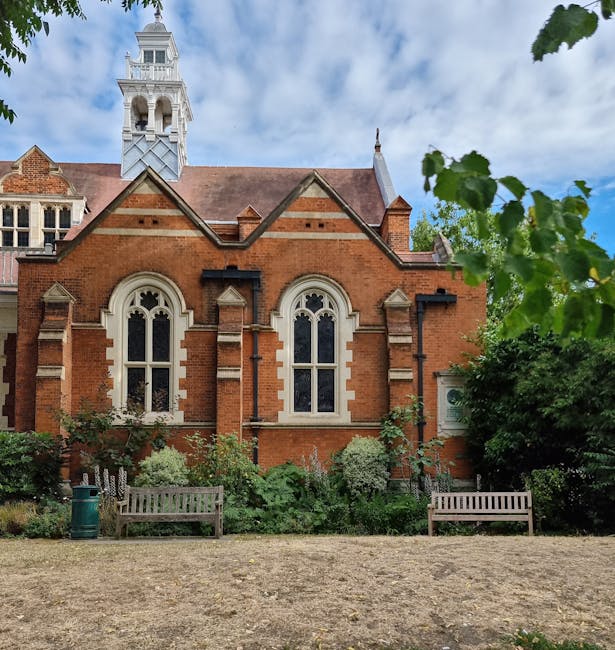
Twickenham is a riverside district in south-west London, known for its long association with the Thames and with rugby, but also for a built environment that ranges from historic streets to later suburban development. The River Thames forms a defining part of the area’s character, with stretches of towpath and riverside views that remain central to how the district is experienced on foot. Twickenham Green provides an open focal point in the centre of the town, while nearby streets contain a mix of period houses, terraces and more recent residential buildings that reflect successive phases of growth. The area has long been shaped by its connections to Richmond upon Thames and by the wider pattern of settlement along the river corridor. Orleans House, York House and Marble Hill House are among the notable historic properties associated with the district, each contributing to the sense of layered local history. The town centre includes shopping streets, community facilities and transport connections that tie it to the rest of west London, while the riverside and open spaces give it a calmer feel than the built-up roads around it. Local cultural life is also strongly associated with rugby at Twickenham Stadium, which has given the place national recognition while leaving room for quieter residential neighbourhoods, schools and parks that serve everyday local life. Taken together, these features make Twickenham a place where the river, architecture and community spaces sit side by side rather than being dominated by a single identity.
Keeping hedges neat through the seasons
Seasonal growth changes how a hedge should be handled. In active growing periods, lighter trimming can help keep the shape under control without encouraging a sudden overcorrection later on. At other times of year, the work may focus more on maintaining outline than driving strong new growth. The aim is always to preserve a hedge that looks managed, healthy and appropriate for the property rather than overworked or forced into a shape it cannot hold.
The best result often comes from consistency. Once a hedge has been brought back into line, regular attention helps keep the finish tidy and reduces the likelihood of major remedial work later. That is particularly useful for hedges that define front boundaries or screen neighbouring properties, because an uneven hedge can change the whole appearance of the house frontage. If you would like to plan ahead, our team can help with regular maintenance or a one-off trim, depending on what the hedge currently needs.
There is no need to wait until the hedge becomes difficult to pass or begins to obscure the garden. A trimmed hedge is usually easier to live with, easier to view from the house and easier to keep under control. For the next step, request a quotation in plain terms and describe the hedge, the access and the result you want. That is often enough to start the conversation and move the job forward.
Getting a quotation for hedge trimming

Quotation requests work best when they are specific. A simple description of the hedge type, approximate size, location in the garden and the finish you want will usually be more useful than a very brief note. If the hedge needs shaping, lowering, tidying on both sides or a fuller reduction, say so clearly. The more relevant detail you provide, the easier it is to assess the work properly and prepare a quotation that reflects the real task.
It can also help to mention whether the hedge is part of a wider garden job. Some customers want trimming alongside other outdoor maintenance, while others only need the hedge itself. Either approach is fine; what matters is clarity. If access is tight or there are obstacles close to the hedge, include that too, because these practical details affect how the work is planned. Contact us when you are ready to request your quotation and share the details that matter most.
The final result should feel straightforward: a neat hedge, a clear understanding of the work carried out, and a quotation based on the job rather than guesswork. If you are comparing options, focus on whether the service matches the hedge’s current condition and your preferred outcome. A well-described enquiry makes it easier to give the right answer first time.
Further garden services alongside hedge trimming

Hedge trimming is often one part of maintaining the whole outdoor space, and some customers prefer to deal with several related tasks together. Where a hedge forms the border of a larger garden, it can be sensible to consider nearby planting, lawns or structural features at the same time. That way, the work can be planned in a single sequence and the result looks more joined up. We keep the hedge itself as the focus, but it is useful to know what other service pages are available if you are looking at the broader garden.
For properties that need more than one outdoor improvement, our landscape gardening page outlines wider work around garden layout and planting, while our landscaping page covers another route for altering and improving outdoor areas. If timber features or edging are also part of the project, our decking services page may be relevant. These pages are there for customers who want to compare related options before deciding what combination of work best suits the space.
As with the hedge itself, the best starting point is a clear description of what needs attention and what outcome you want to achieve. Whether you need one hedge trimmed neatly or several garden elements coordinated together, the simplest way to begin is to make an enquiry and ask for a quotation. That keeps the process practical, transparent and focused on the work in hand.